
TRAINING NOTES
Multiplayer game skills & strategy blog
67 short reads on free browser games — how people play, common traps, what a win proves, and which skills each duel sharpens.
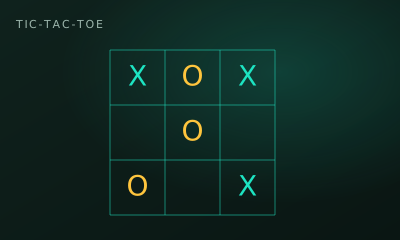
Tic-Tac-Toe
It looks solved — until you play a human who refuses to follow the script. Tic-Tac-Toe is a crash course in threats, blocks, and staying awake on a three-by-three stage.
Read notes →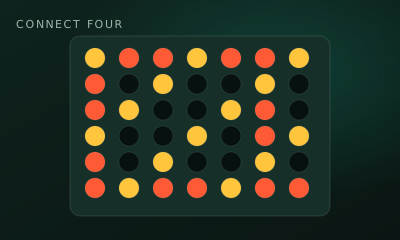
Connect Four
Every disc falls. That single rule turns a friendly grid into a puzzle about tempo — you choose a column, gravity chooses the height, and one lazy drop can gift the win.
Read notes →
Rock Paper Scissors
Pure chance? Only if both players are random. Against a human, Rock Paper Scissors becomes a tiny psychology lab — sequences, revenge throws, and nerves between rounds.
Read notes →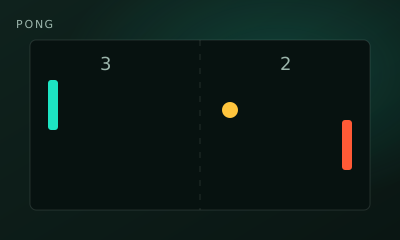
Pong
Pong is honesty at 60 frames a second. Miss the bounce and the point is gone — no inventory, no excuses, just paddle, ball, and nerve.
Read notes →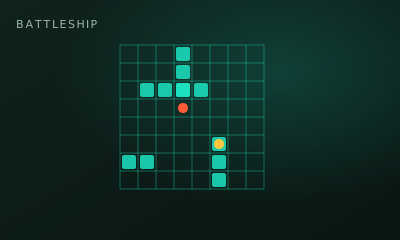
Battleship
You cannot see their fleet — only the story your shots tell. Battleship rewards disciplined hunting more than lucky spray.
Read notes →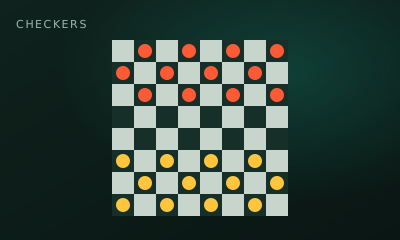
Checkers
Diagonal moves, mandatory jumps, crowned kings — Checkers looks gentle until a multi-jump deletes half your army.
Read notes →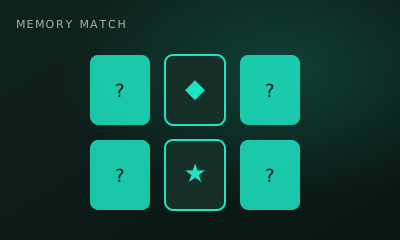
Memory Match
Every flip is a clue you either store or waste. Memory Match turns attention into a scoreboard.
Read notes →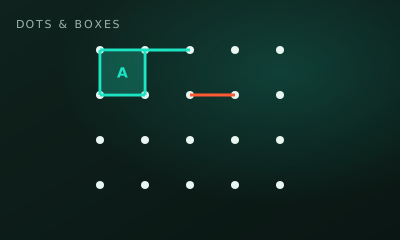
Dots & Boxes
Early lines look harmless. Late lines decide everything. Dots and Boxes is a masterclass in not taking the bait.
Read notes →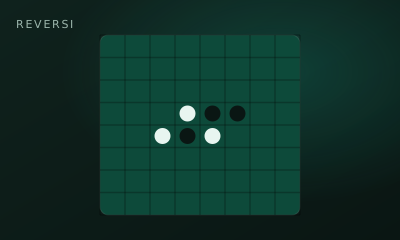
Reversi
One stone can flip a dozen. Reversi punishes greed for discs and rewards greed for options.
Read notes →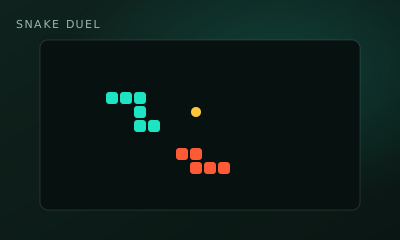
Snake Duel
Your body is both weapon and liability. Snake Duel is territory chess played at arcade speed.
Read notes →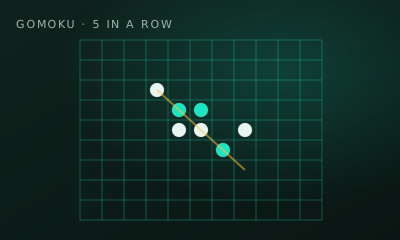
Gomoku
Gomoku is a conversation in stones: you propose a line of 5, they answer, and the board remembers every mistake.
Read notes →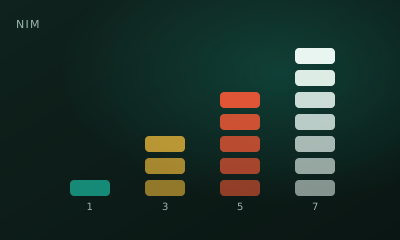
Nim
Nim is arithmetic with attitude. Every take shrinks the pile — and perfect play is a solvable path if you stay honest with the counts.
Read notes →
Reaction Duel
The skill in Reaction Duel is not only speed — it is trusting the signal and moving once.
Read notes →
Odds & Evens
Odds & Evens has settled who goes first in playgrounds for centuries. Every throw is an even chance, so the winner is whoever is harder to read.
Read notes →
RPSLS
RPSLS locks both minds before either sees the answer. That simultaneous beat is where psychology beats raw mechanics.
Read notes →
Higher Lower
Higher Lower is a duel of estimates. The board is invisible; the feedback is instant.
Read notes →
Snakes & Ladders
Snakes & Ladders lets the dice speak — then asks what you do with the bounce. Racing to 30 is about riding hot streaks without assuming they last forever.
Read notes →
Tug of War
Tug of War turns effort into a visible tug-of-war. First side to 35 owns the bragging rights.
Read notes →
Science Quiz
Science Quiz asks what you know when someone is watching. That social pressure is the workout — recall plus courage.
Read notes →
War Cards
War Cards is mostly fate with a face. That is exactly why it is useful: you practice being a good rival when the cards refuse to cooperate.
Read notes →
Blackjack Duel
Blackjack Duel is the eternal question: is this total enough, or do you ask for one more? Hitting and standing under rivalry rewires reckless habits.
Read notes →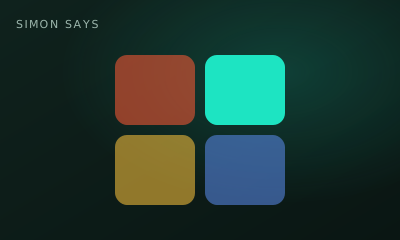
Simon Says
Simon Says does not care how confident you sound — only whether the sequence leaves your fingers in the right order.
Read notes →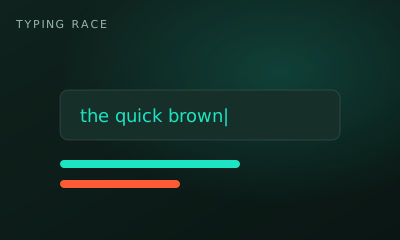
Typing Race
Typing Race rewards clean keystrokes. Panic typing feels fast until the typo deletes the round.
Read notes →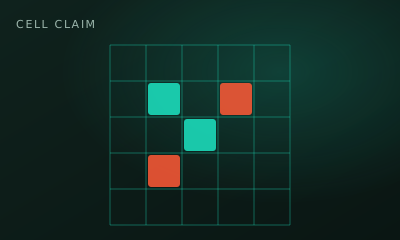
Cell Claim
Cell Claim looks like coloring squares until the empty cells run out — then you notice every early pick was a vote for the endgame majority.
Read notes →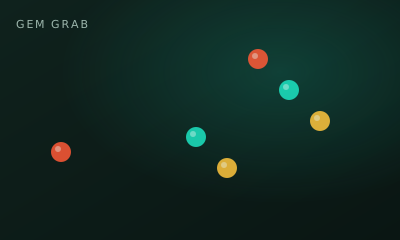
Gem Grab
Gem Grab is a footrace with a brain. Gems spawn, lanes clog, and the player who predicts the next pickup usually hits 8 first.
Read notes →
Mixed Trivia
Mixed Trivia asks what you know when someone is watching. That social pressure is the workout — recall plus courage.
Read notes →
World Tour
World Tour asks what you know when someone is watching. That social pressure is the workout — recall plus courage.
Read notes →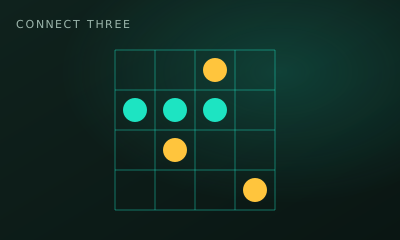
Connect Three
Connect Three takes the drop-a-disc idea of Connect Four and shrinks it: a smaller grid and only three in a row to win. Games last a minute, but every move counts.
Read notes →
Slapjack
Every kid who owned a deck of cards has played Slapjack. It is still one of the quickest ways to find out who has the fastest hands in the room.
Read notes →
Ludo
The die decides how far you move. You decide which token moves, and that choice is the whole game.
Read notes →
Trouble
Pop-o-matic race — dice dashes to the finish line.
Read notes →
Mythology Quiz
Mythology Quiz asks what you know when someone is watching. That social pressure is the workout — recall plus courage.
Read notes →
Logo Quiz
Logo Quiz asks what you know when someone is watching. That social pressure is the workout — recall plus courage.
Read notes →
Cartoon Quiz
Cartoon Quiz asks what you know when someone is watching. That social pressure is the workout — recall plus courage.
Read notes →
Video Game Quiz
Video Game Quiz asks what you know when someone is watching. That social pressure is the workout — recall plus courage.
Read notes →
Olympic Quiz
Olympic Quiz asks what you know when someone is watching. That social pressure is the workout — recall plus courage.
Read notes →
Bible Quiz
Bible Quiz asks what you know when someone is watching. That social pressure is the workout — recall plus courage.
Read notes →
Islamic Quiz
Islamic Quiz asks what you know when someone is watching. That social pressure is the workout — recall plus courage.
Read notes →
Classic Hangman
Classic Hangman is a crossword you fight over. Every letter is a hypothesis; every miss is a scar on the way to 2 round wins.
Read notes →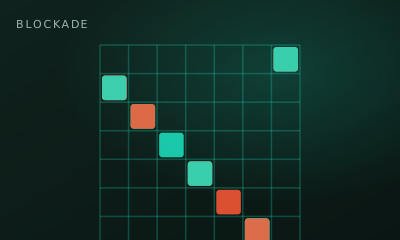
Blockade
Blockade looks like coloring squares until the empty cells run out — then you notice every early pick was a vote for the endgame majority.
Read notes →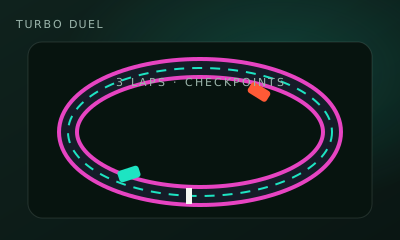
Turbo Duel
A closed neon loop, two cars, three laps. Turbo Duel is not a maze — it is a conversation between throttle, grip, and the driver who refuses to cut a corner.
Read notes →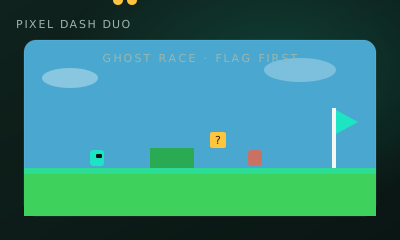
Pixel Dash Duo
Two heroes, one stage, no shoving. Pixel Dash Duo is a ghost race: the tightest jumps and greediest coin lines decide who raises the flag.
Read notes →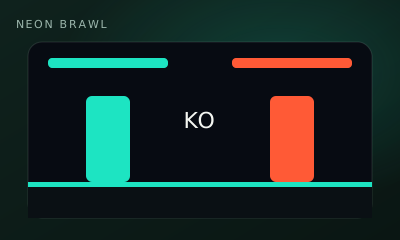
Neon Brawl
No licensed faces — just Volt, Forge, Nyx, and Hex in a neon cage. Neon Brawl is a conversation in hitstun: who walked first, who blocked, who spent the special.
Read notes →
Chess
Sixty-four squares, no hidden information. Chess is a conversation in threats: who develops, who castle-timing is late, who panics when the queen lands on h5.
Read notes →
Go
You do not capture a king. You surround enough of the board that the other color runs out of room.
Read notes →
Backgammon
Backgammon looks like luck until you count. The dice are honest here — the server rolls — so the skill is what you do with 6-4, not whether 6-4 appeared.
Read notes →
Bumper Sumo
Two pods, one disc, three knockouts. Bumper Sumo is a conversation in momentum — who hits first, who recovers to center, who boosts a beat late and flies off.
Read notes →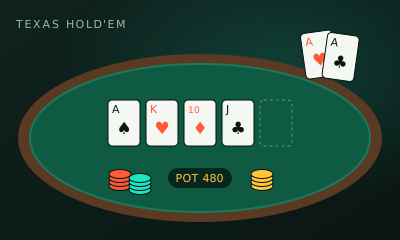
Texas Hold'em Poker
Two private cards, five shared ones, and a decision every few seconds. Hold'em is easy to learn, and getting good at it mostly means learning how much a hand is worth before you put chips in.
Read notes →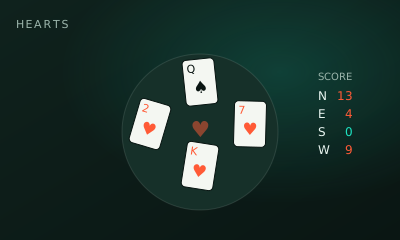
Hearts
In most trick-taking games you want tricks. In Hearts you mostly want to avoid them, except when someone is collecting every penalty card and has to be stopped.
Read notes →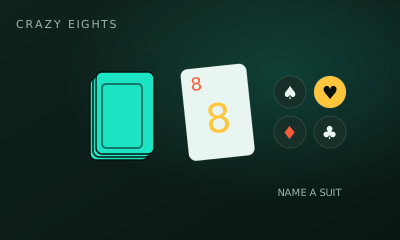
Crazy Eights
Match the suit or match the rank. That is nearly all the rules, which is why it plays fast. Most of the strategy is about when to play your eights.
Read notes →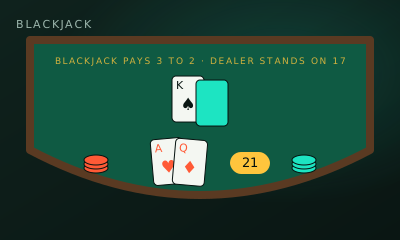
Blackjack
You are not playing the other people at the table. You are playing the dealer, who has to follow fixed rules. Knowing those rules is how you narrow the house edge.
Read notes →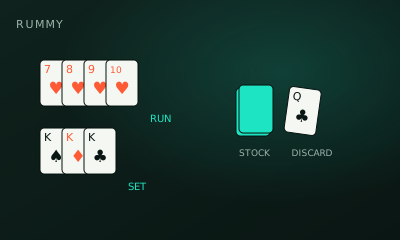
Rummy
Rummy is about information. Every card someone takes from the discard pile shows what they are building, and every discard shows what they are not.
Read notes →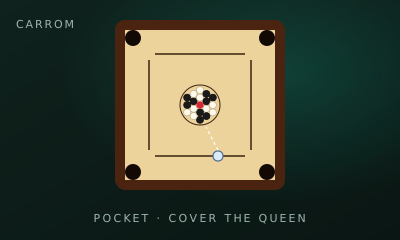
Carrom
Carrom is geometry you can feel. A thin cut, a soft rebound, the queen sitting on the lip — every stroke asks how hard, how thin, and what you leave behind.
Read notes →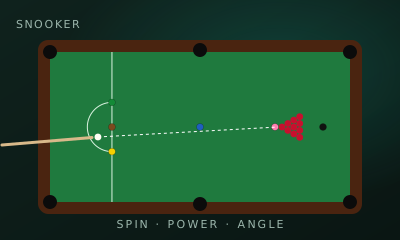
Snooker
Snooker is a game of the next shot. Potting the ball is half the job; the other half is where the cue ball stops.
Read notes →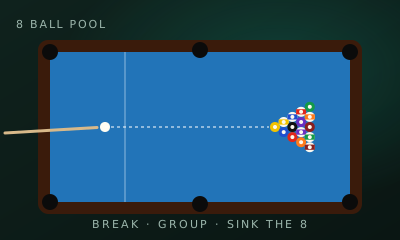
8 Ball Pool
Break, call your group and sink the 8: classic 8-ball pool with real ball physics, 2 players.
Read notes →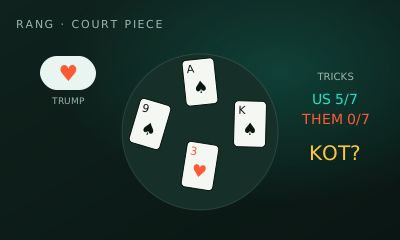
Rang (Cards - Court Piece)
Rang is played at weddings, in hostels and on rooftops across Pakistan and India. It is quick to learn, but good partnerships read each other without saying a word.
Read notes →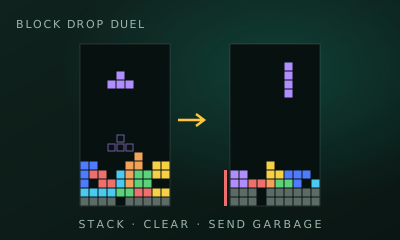
Block Drop Duel
Tetris-style block puzzle battle: clear lines to send garbage rows to your rival, last stack standing wins.
Read notes →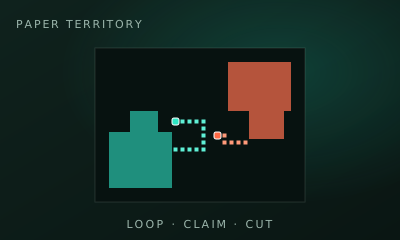
Paper Territory
Paper.io-style land grab: leave your land, draw a loop to claim it, and cut your rival's trail before they cut yours.
Read notes →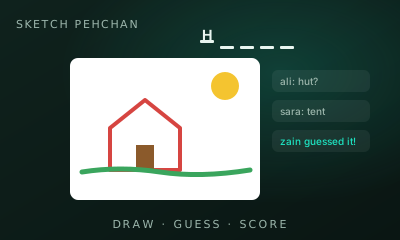
Sketch Pehchan
Draw and guess: one player sketches a secret word, everyone races to guess it. Online rooms for 2–8, pass-the-phone party mode, or guess the computer’s drawings.
Read notes →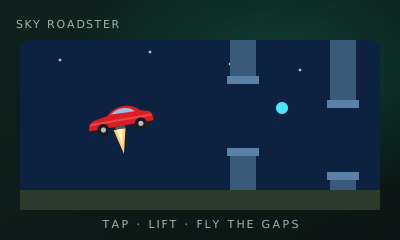
Sky Roadster
Flappy-style flying car: tap to fire the lift jet under your red roadster, thread the pylon gaps and reach the finish. Race 2–6 online, beat the computer or pass the phone.
Read notes →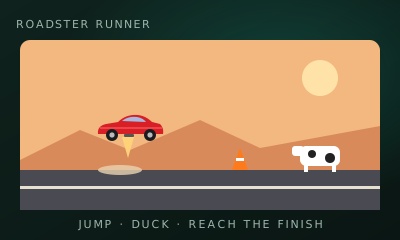
Roadster Runner
Endless-runner style car jumping game: your roadster speeds up while cones, cows, rockets, birds and UFOs appear. Jump on a jet of gas, duck under, reach the finish. Online, vs Computer or pass the phone.
Read notes →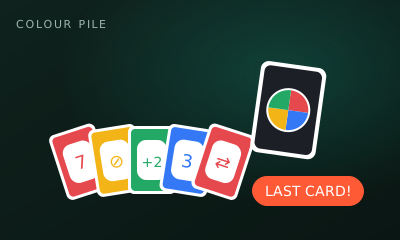
Colour Pile
Match the colour or the number, throw an action card at the next player, and remember to call “Last card!”. The rules fit on a napkin, and the fun is in the timing.
Read notes →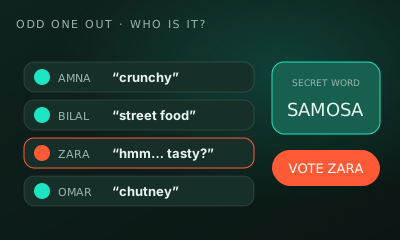
Odd One Out
Everyone knows the word except one person. The best clue proves you know it without giving it away, and the best bluff sounds exactly like everyone else.
Read notes →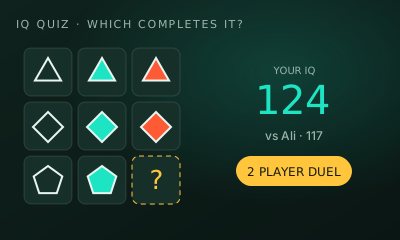
IQ Quiz
Twenty puzzles, a clock on every one, and an IQ score for each of you at the end. The question is not whether you are a genius, but whether you beat your friend.
Read notes →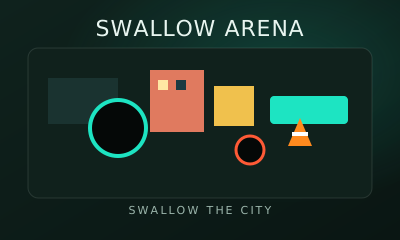
Swallow Arena
Swallow Arena puts a hole on a city map. Small things go in easily. The round is decided by who is largest when the clock stops — not by who ate first.
Read notes →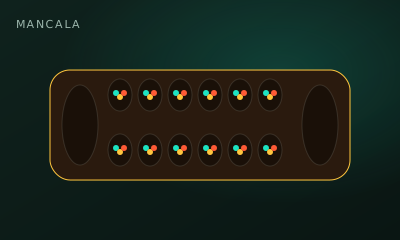
Mancala
Mancala looks gentle — a handful of seeds and a wooden board — but every move is a calculation about where the last seed lands.
Read notes →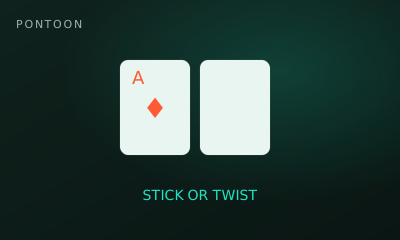
Pontoon
In Pontoon you never see a single banker card until you are done. Every decision is about your own hand and the odds, not a read on the dealer.
Read notes →