
How people play
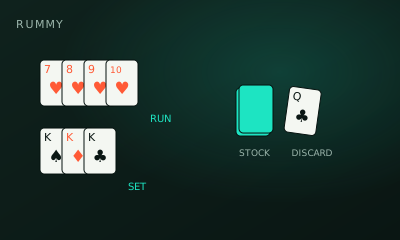
Two players get ten cards, and larger tables get seven. Players draw, meld sets and runs, lay off onto any meld on the table, and discard. The first to go out scores everyone else’s deadwood, and the first to 100 wins.
Common challenges
- Holding too long Waiting for a perfect run while your hand fills with face cards is costly when someone goes out.
- Giving away information Taking the discard pile for a card you only half need tells opponents what to keep away from you.
- Forgetting to lay off Cards that fit onto an opponent’s meld should go down, not stay in your hand as deadwood.
What strong play proves
Winning rounds shows you track the discards, recognise partial melds and keep your hand flexible.
What it improves
- Working memory You hold positions, sequences, or card locations under pressure.
- Pattern recognition Wins come from spotting shapes, threats, and repeats early.
- Forward planning You rehearse “if I do this, they do that” before you commit.
- Opponent reading You track habits, bluffs, and tells across rounds.
Best for
Two-player evenings, small groups, and players who like card games that reward memory over luck.