
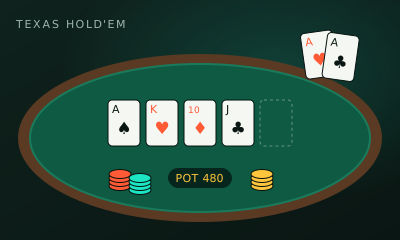
How people play
Friends open a room, add a couple of computer players to make six, and play a quick tournament with blinds that go up every six hands. Others sit alone against three bots to practise starting hands and pot odds. Side pots are calculated automatically, so an all-in never needs a calculator.
Common challenges
- Playing too many hands Calling with any ace or any two suited cards from early position bleeds chips slowly. Tight-aggressive play is the best fix.
- Ignoring position The same hand is worth more on the button, where you act last on every street after the flop, than in the blinds.
- Chasing without odds A flush draw has roughly 35% to hit by the river. Whether that justifies a call depends on the price, so check pot odds before calling.
- Tilt One bad beat leads to three loose calls. The rising blinds punish that fast.
What strong play proves
Winning a sit-and-go shows you can make good decisions with incomplete information: weigh probabilities, read betting patterns, and fold a good hand when the action says it is beaten.
What it improves
- Risk judgment You learn when to press an edge and when to bank a safe line.
- Mental math Totals, odds, and distances get calculated on the fly.
- Opponent reading You track habits, bluffs, and tells across rounds.
- Composure Mistakes happen — recovering cleanly is the real skill.
Best for
Game nights with 3–6 friends, players learning poker against bots without risking money, and anyone who likes strategy that involves luck.